Therapeutic gardens: an oasis of respite for carers and people with Alzheimer’s
by
Romina Sarcletti
Within the field of non-pharmacological care, therapeutic gardens are emerging as a valuable tool for improving the quality of life of people with Alzheimer’s and their carers. These are not simply green spaces, but environments carefully designed to stimulate the senses, reduce stress and promote emotional and cognitive wellbeing.
An environment that heals
Therapeutic gardens are designed to be safe, accessible and stimulating. Circular paths prevent the risk of getting lost, benches invite visitors to rest, whilst aromatic plants, colours and natural sounds help to create a relaxing atmosphere.
For people with Alzheimer’s, these spaces can:
- reduce agitation and anxiety
- stimulate memory through familiar smells and sensations
- promote orientation and a sense of autonomy
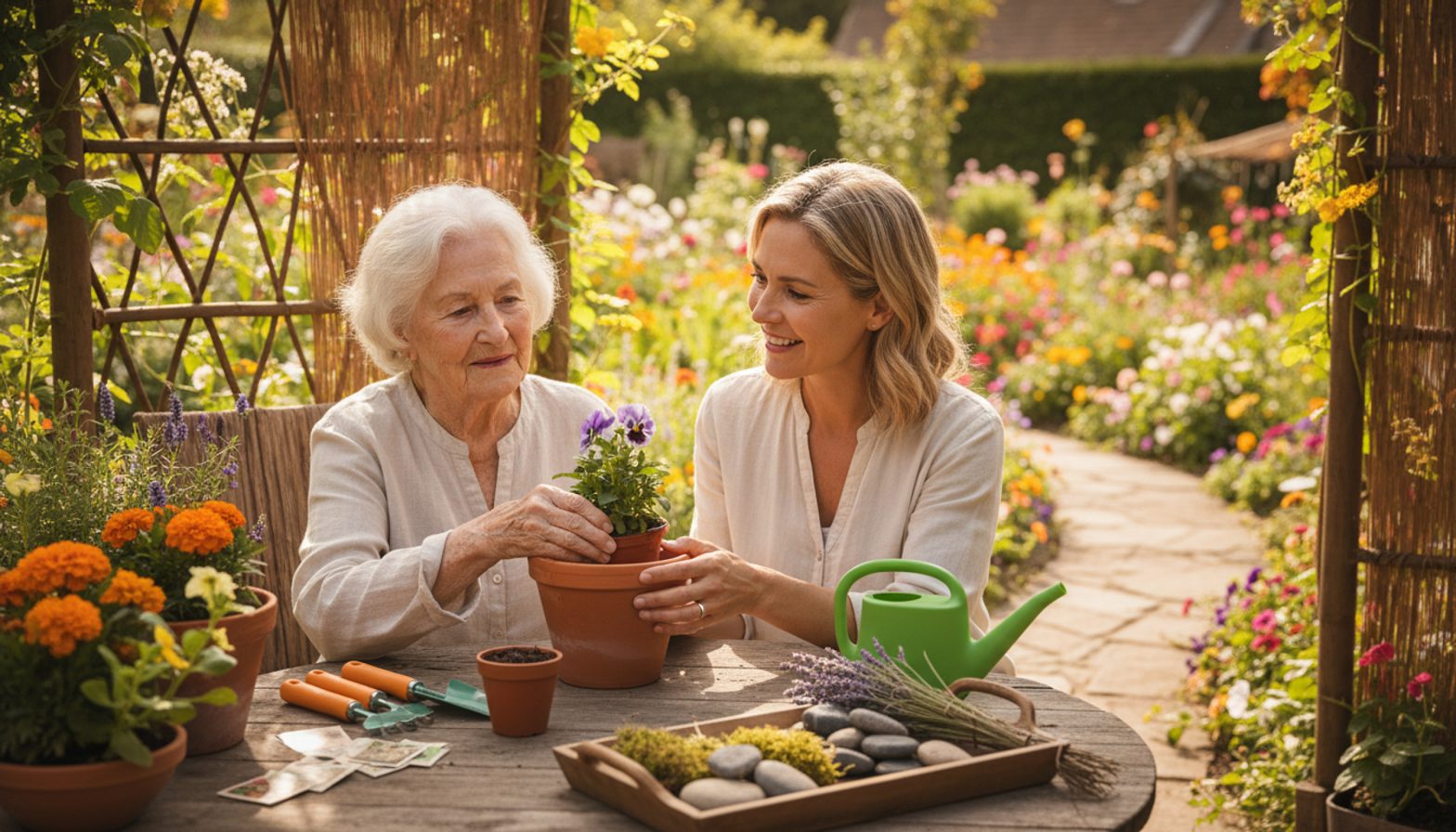
Even simple activities, such as watering or touching the plants, can reactivate residual abilities and provide moments of serenity.
Benefits for carers
The value of therapeutic gardens extends beyond patients. Carers — often family members under significant emotional and physical stress — find a restorative respite in these spaces.
Spending time in green spaces can:
- lower stress levels
- improve mood
- foster moments of positive connection with a loved one
The garden thus becomes a shared space, where relationships are eased and enriched by new, often non-verbal, forms of communication.
Design: a balance of science and sensitivity
Creating an effective therapeutic garden requires interdisciplinary expertise. Architects, doctors, psychologists and therapists collaborate to create environments that take into account the specific needs of people with dementia.
Key elements include:
- safety: absence of barriers and intuitive pathways
- sensory stimulation: fragrant plants, bright colours, moving water
- comfort: shaded areas, ergonomic seating
- familiarity: familiar elements that aid orientation
An increasingly widespread approach
In many countries, therapeutic gardens are becoming an integral part of healthcare facilities, care homes and day centres. Some families are also choosing to adapt their own homes to create small, accessible and safe green spaces.
This trend reflects a growing awareness: the treatment of Alzheimer’s disease relies not only on medication, but also on the quality of the environment and daily experiences.
Beyond the disease
Therapeutic gardens represent much more than a complementary intervention: they are a way of restoring dignity, pleasure and connection to people who often experience a progressive loss of self.
On a path amidst flowers and fragrances, even those facing cognitive decline can rediscover fragments of memory, genuine emotions and moments of peace. And alongside them, carers can breathe, slow down and feel less alone.